

Delving into the realm of orchard real estate, this guide offers a detailed look at the intricacies of this unique sector in the real estate market. From understanding its significance to exploring the investment potential and sustainability practices, this article aims to provide valuable insights for readers interested in orchard properties.
The following paragraphs will dive deep into various aspects of orchard real estate, shedding light on market trends, types of properties, and more.
Understanding Orchard Real Estate
Orchard real estate refers to properties located in or around orchard areas, typically characterized by lush greenery, fruit-bearing trees, and a serene environment. These properties are often sought after for their aesthetic appeal, peaceful surroundings, and potential for agricultural activities.
Significance of Orchard Real Estate
Orchard real estate holds a significant place in the real estate market due to its unique charm and appeal to buyers looking for a retreat from urban living. These properties offer a sense of tranquility and connection to nature, making them desirable for those seeking a more relaxed lifestyle.
Additionally, orchard properties can provide opportunities for sustainable living and agricultural practices, further adding to their appeal in the market.
Unique Characteristics of Orchard Properties
Scenic Views
Orchard properties often boast picturesque views of fruit orchards, vineyards, or lush green landscapes, providing a serene backdrop for the homes.
Privacy and Seclusion
Many orchard properties are set in secluded locations, offering residents a sense of privacy and tranquility away from the hustle and bustle of city life.
Potential for Agricultural Activities
Owners of orchard properties may have the opportunity to cultivate fruits, vegetables, or herbs on their land, allowing for a self-sustaining lifestyle.
Investment Potential
Orchard properties can also hold investment potential, as the demand for such unique and idyllic homes continues to grow in the real estate market.
Orchard Real Estate Market Trends

As we delve into the current trends of the orchard real estate market, it is crucial to understand the factors that are shaping the value of these properties and how they compare to other types of real estate.
Factors Influencing Orchard Property Value
Several key factors play a significant role in determining the value of orchard properties:
- The location of the orchard, including proximity to urban areas, transportation hubs, and amenities.
- The size and condition of the orchard, as well as the variety and health of the fruit trees.
- Market demand for fresh produce and agricultural products, which can impact the profitability of orchard operations.
- Environmental factors such as climate, soil quality, and water availability, which affect the productivity and sustainability of orchards.
Performance Comparison with Other Real Estate Types
When comparing the performance of orchard real estate with other types of properties, it is essential to consider the following:
- Orchard properties may offer unique income-generating opportunities through fruit sales, agritourism, or value-added products.
- The long-term appreciation potential of orchard real estate can be influenced by market demand for locally grown produce and sustainable farming practices.
- Compared to residential or commercial real estate, orchard properties may require specialized knowledge in agriculture and farm management.
- The impact of global trends in agriculture, trade policies, and consumer preferences on the value and profitability of orchard investments.
Types of Orchard Real Estate

When it comes to orchard real estate, there are various types of properties that cater to different types of crops and agricultural practices. Each type comes with its own set of challenges and benefits, making them unique and diverse in the real estate market.
Apple Orchards
Apple orchards are one of the most common types of orchard properties, known for producing a variety of apple cultivars. These orchards require specific climate conditions, proper irrigation systems, and pest management to ensure a successful harvest. The benefits of owning an apple orchard include high demand for apples in the market and potential for profit from selling fresh produce, cider, or other apple-based products.
Citrus Orchards
Citrus orchards are another popular type of orchard property, specializing in growing citrus fruits such as oranges, lemons, and grapefruits. These orchards thrive in warm climates with well-drained soil and require regular pruning and fertilization. The challenges of citrus orchards include susceptibility to diseases like citrus greening and frost damage.
However, the benefits include a consistent market demand for citrus fruits and potential for export opportunities.
Vineyards
Vineyards are orchard properties dedicated to growing grapevines for winemaking. These properties require specific soil conditions, climate, and vineyard management practices to produce high-quality grapes for wine production
On the other hand, the benefits of vineyards include the potential for a lucrative wine business, tourism opportunities, and the satisfaction of producing premium wines.Overall, the diversity of orchard real estate offerings in various regions provides opportunities for investors and farmers to explore different types of orchards based on their interests, expertise, and market demands.
Investment Potential in Orchard Real Estate
Investing in orchard real estate can offer lucrative opportunities for investors looking to diversify their portfolio and capitalize on the growing demand for agricultural properties. Orchards have the potential to generate steady income through the sale of fruits, nuts, or other crops, as well as the possibility of appreciation in land value over time.
Successful Orchard Real Estate Investments
- One example of a successful orchard real estate investment is the purchase of a well-maintained apple orchard in a prime location known for producing high-quality fruit. The investor was able to capitalize on the demand for locally grown produce and saw a significant return on investment through the sale of apples to local markets and distributors.
- Another successful investment involved the acquisition of a vineyard in a renowned wine region. The investor not only benefited from the income generated by selling grapes to wineries but also saw an increase in property value as the vineyard gained recognition for producing award-winning wines.
Risks and Rewards of Investing in Orchard Properties
- One of the risks associated with investing in orchard properties is the vulnerability to weather conditions and natural disasters, which can impact crop yields and revenue. However, investors who implement proper risk management strategies, such as diversifying their orchard portfolio or securing insurance coverage, can mitigate these risks.
- The rewards of investing in orchard properties include the potential for long-term capital appreciation, as well as the opportunity to generate passive income through the sale of agricultural products. Additionally, orchard properties can offer tax benefits for investors, such as deductions for expenses related to property maintenance and operations.
Sustainability and Agriculture Practices
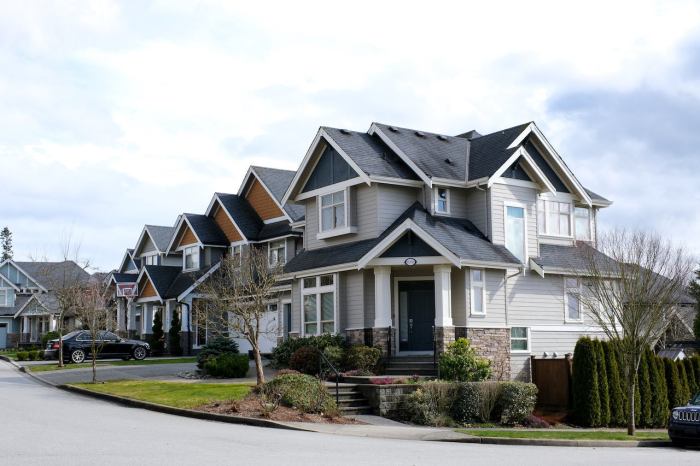
When it comes to managing orchard real estate, sustainability and agriculture practices play a crucial role in ensuring the long-term health and productivity of the property.
Sustainable Practices in Orchard Real Estate Management
- Implementing organic farming methods to reduce reliance on chemical pesticides and fertilizers.
- Utilizing water-efficient irrigation systems to conserve water resources.
- Integrating cover crops and crop rotation to improve soil health and fertility.
- Embracing integrated pest management strategies to control pests naturally and sustainably.
Role of Agriculture Practices in Maintaining Orchard Properties
- Pruning and thinning trees regularly to promote healthy growth and maximize fruit production.
- Monitoring soil quality and nutrient levels to ensure optimal conditions for plant growth.
- Harvesting fruits at the right time to maintain quality and market value.
- Engaging in ongoing pest and disease management to protect orchard crops.
Impact of Sustainability on the Value of Orchard Real Estate
- Adopting sustainable practices can enhance the ecological value of orchard properties, attracting environmentally conscious buyers.
- Reducing chemical inputs and water usage can lower operating costs, increasing the profitability of orchard operations.
- Improving soil health and biodiversity through sustainable practices can lead to higher yields and better fruit quality, ultimately boosting the property's overall value.
- Investing in sustainability can future-proof orchard real estate against changing environmental regulations and consumer preferences.
Last Recap
In conclusion, orchard real estate presents a lucrative yet environmentally conscious investment opportunity, with diverse property types and sustainable practices shaping its future. Whether you're a potential investor or simply intrigued by the world of orchards, this guide has hopefully offered valuable information to enhance your understanding of this unique real estate sector.
Question Bank
What does orchard real estate refer to?
Orchard real estate typically involves properties that are used for cultivating fruits such as apples, citrus fruits, or grapes for making wine.
What factors influence the value of orchard properties?
The value of orchard properties can be influenced by factors like location, crop quality, market demand, and sustainability practices.
Are there specific challenges associated with owning different types of orchard properties?
Yes, each type of orchard property comes with its own set of challenges such as climate suitability, pest management, and labor requirements.
How can investors evaluate the investment potential of orchard real estate?
Investors can evaluate the potential by considering factors like historical performance, market trends, and the overall demand for the specific type of orchard property.
What sustainable practices are commonly used in managing orchard real estate?
Common sustainable practices include water conservation, integrated pest management, organic farming methods, and soil health improvement techniques.