
Embark on a journey into the world of rental management companies, where efficiency, profitability, and peace of mind converge. Discover the key insights and strategies that can help property owners thrive in the rental market landscape.
In this comprehensive guide, we delve into the responsibilities, benefits, and challenges faced by rental management companies, offering a roadmap to success in property management.
Introduction to Rental Management Companies
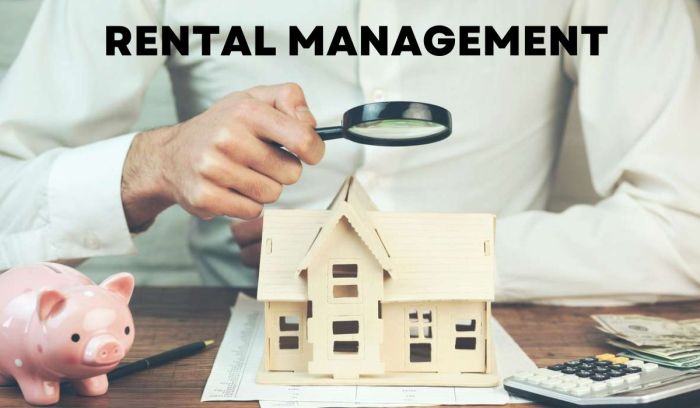
A rental management company is a professional firm that specializes in managing properties on behalf of property owners. These companies take care of various aspects of property management, ensuring that the property is well-maintained and profitable for the owner.
Role of a Rental Management Company
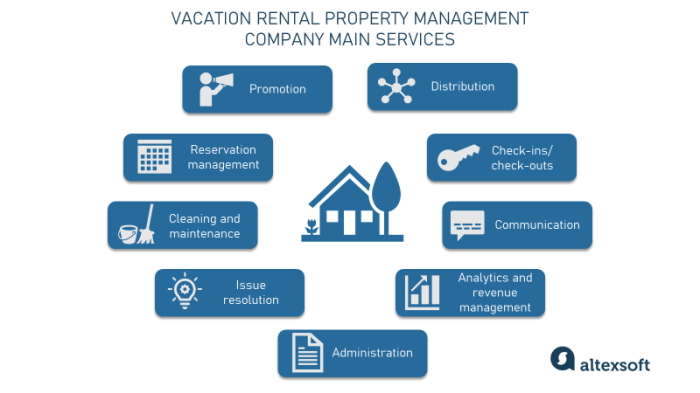
- Marketing the property to attract tenants
- Screening potential tenants and conducting background checks
- Collecting rent and enforcing lease agreements
- Handling maintenance and repairs
- Dealing with tenant issues and evictions
Benefits of Using a Rental Management Company
- Professional Expertise: Rental management companies have experience and knowledge in managing properties efficiently.
- Time and Stress Savings: Property owners can save time and avoid stress by delegating management tasks to professionals.
- Maximizing Rental Income: Rental management companies can help set competitive rental rates and ensure timely rent collection.
- Maintenance and Repairs: These companies have a network of reliable contractors to handle maintenance and repair issues promptly.
Services Offered by Rental Management Companies
- Property Marketing and Advertising
- Tenant Screening and Selection
- Rent Collection and Financial Reporting
- Property Maintenance and Repairs
- Legal Compliance and Evictions
Key Functions of Rental Management Companies
Rental management companies play a crucial role in overseeing the day-to-day operations of rental properties on behalf of property owners. They handle various responsibilities to ensure the smooth running of rental units and maximize profitability.
Responsibilities of a Rental Management Company
- Marketing rental properties to attract potential tenants
- Screening and selecting tenants to ensure they are reliable and financially stable
- Handling lease agreements and ensuring compliance with local rental laws
- Collecting rent from tenants and enforcing late payment policies
- Managing maintenance and repairs to keep the property in good condition
- Responding to tenant inquiries and addressing any issues that may arise
- Providing regular financial reports to property owners
Tenant Screening and Selection
Rental management companies conduct thorough background checks on potential tenants to assess their creditworthiness, rental history, and employment status. This helps ensure that the selected tenants are reliable and likely to pay rent on time.
Rent Collection and Financial Management
Rental management companies are responsible for collecting rent from tenants, processing payments, and handling any late payments or issues related to rent. They also keep track of property expenses, prepare financial reports, and ensure that property owners receive their rental income promptly.
Maintenance and Repairs Management
One of the key functions of rental management companies is to oversee maintenance and repairs for rental properties. They coordinate with maintenance staff or contractors to address any issues promptly, ensure that the property is well-maintained, and respond to tenant maintenance requests in a timely manner.
Technology and Rental Management Companies
Technology plays a crucial role in the operations of rental management companies, enabling them to streamline processes and enhance efficiency in property management tasks.
Software Integration
Rental management companies leverage various software solutions to handle day-to-day operations effectively. These tools help in automating tasks such as rent collection, maintenance requests, lease management, and financial reporting. By integrating software systems, companies can centralize data, improve communication with tenants, and ensure compliance with regulations.
- Property Management Software: Platforms like Buildium, AppFolio, and Rent Manager are popular choices among rental management companies. These software solutions offer features for property listing, tenant screening, online rent payments, and maintenance tracking.
- Customer Relationship Management (CRM) Software: CRM tools like Salesforce and HubSpot are used to manage tenant interactions, track leads, and streamline communication for better tenant satisfaction.
- Accounting Software: Tools such as QuickBooks and Xero are essential for managing financial transactions, generating reports, and tracking expenses related to rental properties.
- Online Listing Platforms: Websites like Zillow, Apartments.com, and Rent.com are utilized by rental management companies to advertise vacancies, attract prospective tenants, and facilitate the leasing process.
Benefits of Technology Integration
By incorporating technology into their operations, rental management companies can experience several benefits. These include improved efficiency, enhanced tenant experience, better financial management, increased transparency, and scalability for business growth. Technology integration also allows for real-time access to data, faster decision-making, and reduced manual errors in property management tasks.
Marketing and Tenant Relations
Marketing strategies play a crucial role in attracting tenants to rental properties managed by rental management companies. These strategies involve a mix of online and offline tactics to reach potential tenants effectively. On the other hand, tenant relations are essential for maintaining positive and long-lasting relationships with tenants, ensuring their satisfaction and retention.
Marketing Strategies
- Online Presence: Rental management companies utilize websites, social media platforms, and online listing sites to showcase available properties and attract potential tenants.
- Targeted Advertising: Companies use targeted advertising on social media and search engines to reach specific demographics interested in renting properties.
- Networking: Building relationships with local real estate agents, relocation companies, and other industry professionals can lead to referrals and tenant leads.
- Virtual Tours: Offering virtual tours of properties through videos and 3D walkthroughs can attract out-of-town tenants and provide a comprehensive view of the property.
Tenant Relations
- Effective Communication: Rental management companies prioritize clear and timely communication with tenants to address concerns, provide updates, and ensure a positive rental experience.
- Maintenance Responsiveness: Prompt response to maintenance requests and addressing issues quickly can enhance tenant satisfaction and loyalty.
- Community Building: Organizing tenant events, creating community spaces, and fostering a sense of belonging can improve tenant relations and create a positive living environment.
- Resolving Conflicts: Handling tenant issues and conflicts professionally, listening to tenant feedback, and finding mutually beneficial solutions are key aspects of maintaining positive tenant relationships.
Legal Compliance and Risk Management
Renting out properties comes with a set of legal obligations that rental management companies must adhere to in order to operate ethically and within the boundaries of the law. Ensuring compliance with regulations and mitigating risks related to property management are crucial aspects of the services provided by rental management companies.
Legal Obligations of Rental Management Companies
Rental management companies are responsible for ensuring that properties meet all legal requirements set forth by local, state, and federal regulations. This includes adhering to building codes, zoning laws, health and safety standards, and fair housing regulations. Failure to comply with these laws can result in fines, legal disputes, and damage to the company's reputation.
Role in Compliance Monitoring
Rental management companies play a key role in monitoring and enforcing compliance with regulations on behalf of property owners. This involves conducting regular inspections, obtaining necessary permits and licenses, and keeping up-to-date with any changes in legislation that may affect property management practices.
Risk Mitigation Strategies
To mitigate risks associated with property management, rental management companies often implement various strategies. This may include conducting thorough background checks on prospective tenants, maintaining proper insurance coverage, handling maintenance and repairs promptly, and resolving tenant disputes in a timely and professional manner.
Common Legal Challenges
- Eviction procedures: Ensuring that eviction processes are carried out in accordance with the law to avoid potential legal disputes.
- Security deposit disputes: Handling security deposit refunds and deductions in compliance with state laws to prevent tenant complaints.
- Lease agreement violations: Dealing with breaches of lease agreements and enforcing terms and conditions legally to protect the interests of property owners.
- Discrimination claims: Preventing and addressing allegations of discrimination based on protected characteristics to uphold fair housing laws.
Ultimate Conclusion
As we conclude this exploration of rental management companies, remember that the right partnership can make all the difference in maximizing rental property potential. By leveraging technology, fostering tenant relationships, and ensuring legal compliance, property owners can achieve long-term success in the rental market.
FAQ Insights
What services do rental management companies typically offer?
Rental management companies usually provide services such as property marketing, tenant screening, rent collection, maintenance, and lease enforcement.
How do rental management companies handle tenant screening?
Rental management companies conduct thorough background checks, credit checks, and rental history verifications to ensure quality tenants.
What benefits does technology bring to rental management operations?
Technology streamlines processes, enhances communication, and provides data-driven insights for better decision-making in property management.