
Exploring the world of renting out your property opens up a realm of possibilities for generating passive income and maximizing your investment. From preparing your property for rent to finding suitable tenants and managing finances, this guide covers all aspects of the rental process, offering valuable insights and practical tips for success.
Why Renting Out Your Property Can Be Beneficial
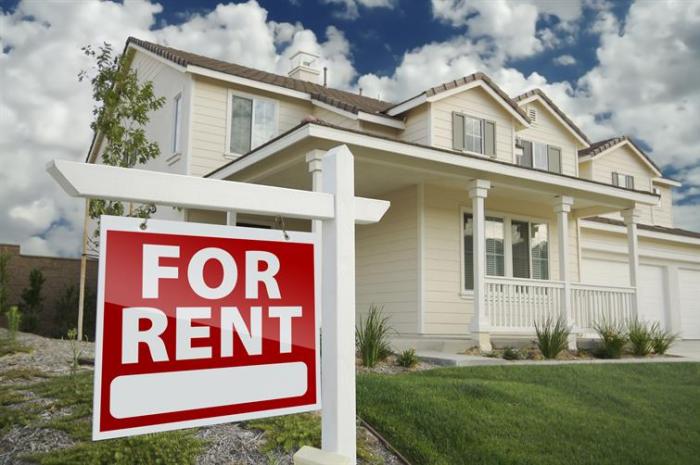
There are several advantages to renting out your property that can make it a lucrative investment.
Generating Passive Income
Renting out your property allows you to earn a consistent stream of passive income. By leasing your property to tenants, you can collect monthly rent payments that can help offset mortgage costs or even provide you with additional income.
Tax Benefits
There are also potential tax benefits to renting out your property. You may be able to deduct expenses related to managing and maintaining the property, such as repairs, utilities, and property taxes. Additionally, you can benefit from depreciation deductions which can reduce your taxable rental income.
Preparing Your Property for Renting

When preparing your property for renting, it is essential to ensure that it is in the best possible condition to attract potential tenants. This involves taking necessary steps to make the property appealing, safe, and functional for renters.
Key Elements to Consider
- Cleanliness:Before listing your property for rent, ensure that it is thoroughly cleaned. This includes deep cleaning carpets, windows, and all surfaces to give a fresh and welcoming appearance.
- Repairs and Maintenance:Address any necessary repairs and maintenance issues to ensure that the property is in good working condition. This includes fixing leaks, replacing broken fixtures, and ensuring that all appliances are functioning properly.
- Aesthetics:Consider updating the property's aesthetics by painting walls, replacing outdated fixtures, and adding modern touches to enhance its overall appeal.
- Safety Measures:Install necessary safety features such as smoke detectors, carbon monoxide detectors, and secure locks to provide a safe living environment for tenants.
Importance of Property Maintenance
Property maintenance plays a crucial role in attracting tenants and retaining them in the long run. Regular maintenance helps prevent costly repairs in the future and ensures that the property remains in good condition. It also demonstrates to potential tenants that you care about the property and their well-being, making it more likely for them to choose your property over others on the market.
Finding Tenants for Your Rental Property
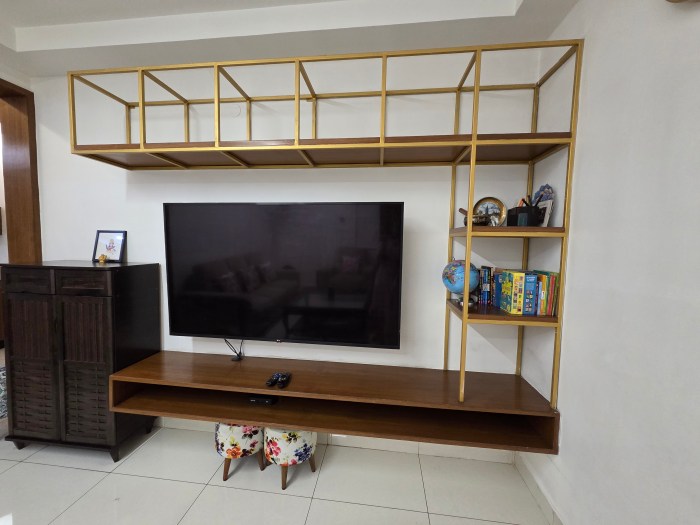
Finding the right tenants for your rental property is crucial to ensure a smooth and successful renting experience. It's important to implement effective strategies for attracting suitable tenants and conducting thorough screening processes to select the best candidates. Additionally, understanding the legal aspects of tenant selection and discrimination laws is essential to avoid any potential issues in the future.
Strategies for Finding Suitable Tenants
- Utilize online rental platforms and listing websites to reach a wider audience of potential tenants.
- Advertise your rental property on social media platforms and local community boards to attract local renters.
- Consider hiring a real estate agent or property management company to help in finding and screening tenants.
- Host open houses and property viewings to showcase the rental unit and interact with interested applicants.
Importance of Tenant Screening Processes
- Screening potential tenants helps to verify their income, employment status, rental history, and creditworthiness.
- Conducting background checks can reveal any criminal history or past rental issues that may affect their suitability as tenants.
- By thoroughly screening tenants, you can reduce the risk of late payments, property damage, or lease violations.
Legal Aspects of Tenant Selection and Discrimination Laws
- Landlords must adhere to fair housing laws that prohibit discrimination based on race, color, religion, sex, national origin, familial status, or disability.
- Ensure that your tenant selection criteria are applied consistently to all applicants to avoid any claims of discrimination.
- Consult with a legal professional to understand your rights and obligations as a landlord when it comes to tenant selection and fair housing laws.
Setting Rent and Managing Finances

Setting the right rent for your property is crucial to attract good tenants while ensuring a profitable return on your investment. It involves assessing the market, considering the property's features, and understanding the demand in the area.
Setting Appropriately Priced Rent
- Research the local market: Look at similar properties in your area to get an idea of the going rates. Consider factors like location, size, amenities, and condition.
- Evaluate your property: Take into account any unique features or upgrades that could justify a higher rent. Ensure your price is competitive but offers value.
- Consult professionals: Real estate agents or property management companies can provide insights into setting a fair rent price based on current trends and demand.
- Consider expenses: Factor in your mortgage, property taxes, insurance, maintenance costs, and desired profit margin when determining the rent.
Managing Finances for Rental Properties
- Keep detailed records: Maintain accurate records of all income and expenses related to your rental property for tax purposes and financial tracking.
- Create a budget: Establish a budget that includes regular expenses like mortgage payments, insurance, property taxes, maintenance, and emergency funds for unexpected costs.
- Set aside reserves: Save a portion of your rental income for future repairs, upgrades, or vacancies to avoid financial strain when unexpected expenses arise.
- Review regularly: Periodically review your financial performance to ensure your property remains profitable and make adjustments as needed to maximize returns.
Proper financial management is key to the success of your rental property investment, ensuring long-term sustainability and profitability.
Dealing with Tenant Concerns and Conflict Resolution
Dealing with tenant concerns and resolving conflicts is a crucial aspect of being a landlord. It requires effective communication and problem-solving skills to maintain a positive relationship with your tenants.
Addressing Tenant Concerns Effectively
- Listen actively to your tenants to understand their concerns and show empathy.
- Respond promptly to their inquiries or issues to demonstrate that you value their feedback.
- Offer solutions or compromises whenever possible to reach a mutually beneficial resolution.
- Document all communications and resolutions to keep a record of the interactions.
Conflict Resolution Between Landlords and Tenants
- Stay calm and composed during conflicts, and avoid escalating the situation with emotional reactions.
- Identify the root cause of the conflict and work towards finding a fair solution together.
- Seek mediation from a neutral third party if the conflict cannot be resolved directly between you and the tenant.
- Follow the terms of the lease agreement and relevant laws to ensure a fair outcome for both parties.
Importance of Clear Communication
Effective communication is key to maintaining a positive landlord-tenant relationship:
Clear communication helps prevent misunderstandings and promotes transparency in all interactions.
Regular updates and open dialogue create a sense of trust and cooperation between landlords and tenants.
Setting clear expectations from the beginning can minimize conflicts and ensure both parties are on the same page.
Closure
As you navigate the intricacies of renting out your property, remember that clear communication, proper maintenance, and strategic tenant selection are key to a successful landlord-tenant relationship. By following the guidelines Artikeld in this comprehensive guide, you can ensure a smooth and profitable rental experience.
Key Questions Answered
How can I attract tenants to my rental property?
To attract tenants, ensure your property is well-maintained, market it effectively, and consider offering incentives such as flexible lease terms.
What are the tax benefits of renting out a property?
Renting out a property can offer tax deductions for expenses related to maintenance, repairs, and mortgage interest.
How should I set the rent for my property?
Research the local rental market, consider the property's amenities, and factor in maintenance costs to set an appropriate rent.